Ville Haute
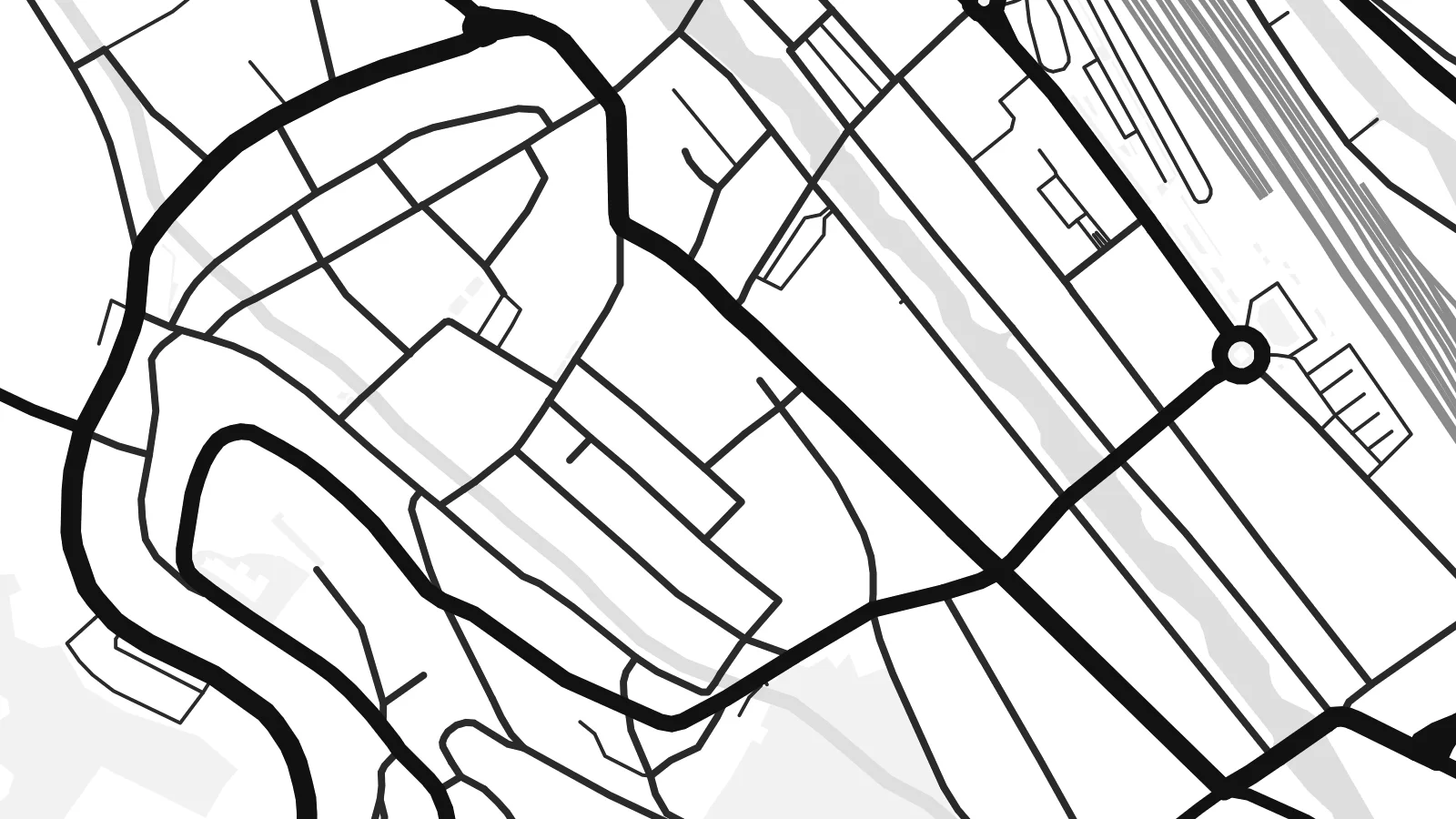
The upper town sits on its promontory as a compact cluster of narrow streets, one of the best-preserved Renaissance ensembles in eastern France and the clearest shape on the map.
Pōhita mape faigofie · France
48.7728° N / 5.1611° E
A Lorraine town split between a Renaissance upper town on its ridge and a lower town along the Ornain and its canal.


Taone e tahi, lagona e lima
Pa'i se ata ke va'ai ai i luga o te pā. E tutusa te tau o ata uma — i lomiga, fakapipi'i i faleata, pe ko faila HD.
 Pixels mo'i · Faila lomiga 24 × 36″
Manino mo te lomiga
Ko se kupega 100% mai te faila lomiga mo'i. Poster uma — pe lomiina, fakapipi'i i faleata, pe download-ina — e fakaatagia i luga o a matou setula i te 300 DPI, e oo atu ki te 7,200 × 10,800 pixels, ina ia mautinoa e ma'ai pea auala tuai foki i luga o se lomiga 24 × 36″.
I luga o te pa


Te mape
Bar-le-Duc, prefecture of the Meuse department, is built on two levels. The Ville Haute occupies a promontory above the valley, with Renaissance mansions and the old castle quarter, while the Ville Basse spreads along the river Ornain below. The Marne–Rhine Canal runs through the lower town, so a map shows river and canal side by side, with the upper town perched above them.
Streets in the Ville Haute are narrow and closely packed, following the shape of the ridge, while the lower town has broader streets, squares and a railway along the valley. Bridges cross the Ornain at several points. Bar-le-Duc is where the Voie Sacrée began, the road that supplied Verdun during the First World War, and it is the birthplace of Raymond Poincaré.
A Bar-le-Duc map poster captures the contrast between those two towns, one tight and hilltop, the other linear and riverside, joined by steep lanes. The town is also known for its redcurrant jam, deseeded by hand with a goose quill in the traditional way, so it is remembered by food lovers as much as by historians.
The upper town sits on its promontory as a compact cluster of narrow streets, one of the best-preserved Renaissance ensembles in eastern France and the clearest shape on the map.
The river and the Marne–Rhine Canal run in parallel through the lower town, two long lines of water that give the valley its structure.
Several bridges cross the Ornain, connecting the neighbourhoods on each bank and drawing short strokes across the lower town's ribbon of streets.
Fai mo koe
Fakaopoopo he aho, he igoa pe he upu a koe, hui te faiga, te lahi pe te tūlaga.
Ko te va'aiga e leai se totogi e maualalo tona resolution ma iai se fakailoga vai. E fakaatagia lomiga ma faila HD i te 300 DPI, e oo atu ki te 7,200 × 10,800 px, e aunoa ma se fakailoga vai.
Aiheā Bar-le-Duc
Bar-le-Duc means different things to different people: family origins in the Meuse, a posting or study year, a link to Verdun and the First World War, or simply the view from the upper town. The map brings all of these together in one steady image.
Personalise the title and subtitle, perhaps with a street in the Ville Haute or a family date, and choose Classic black & white, Noir, Paper, Blueprint or Sand. HD files cost $9, and printed posters on matte paper ship from partners in more than 30 countries.
Oka te poster Bar-le-Duc| Lahi o te lomiga | Manino | Faila |
|---|---|---|
| 30 × 40 cm11.8 × 15.7″ | 3,543 × 4,724 px | PNG · PDF |
| 29.7 × 42 cm (A3)11.7 × 16.5″ | 3,508 × 4,961 px | PNG · PDF |
| 42 × 59.4 cm (A2)16.5 × 23.4″ | 4,961 × 7,016 px | PNG · PDF |
| 45.7 × 61 cm18 × 24″ | 5,400 × 7,200 px | PNG · PDF |
| 50 × 70 cm19.7 × 27.6″ | 5,906 × 8,268 px | PNG · PDF |
| 61 × 91.4 cm24 × 36″ | 7,200 × 10,800 px | PNG · PDF |
Mo te fakatatau, ko te fakaakoakoga e hē totogi e 900 px te lautele, e ihi te fakailoga ma mo te lau komipiuta. Ko nā faila HD e oko ki te 8× te manino i itū taki tahi ma e lomia lelei i te lahi kātoa o te pōhita.
Filifili se ata i te pito i luga o te itulau, ona filifili lea o te Poster Lomiina — se lapoa ma, ka manako ai koe, se faleata — pe ko Faila HD Fakaonaonaina. E tasi te laasaga o te ōkaina, ma ka fakafou loa lau itulau ōkaina pe a mae'a te totogi.
E lomiina i luga o se pepa matte kaliki maualuga e 200 gsm, i se tasi o ni lapoa e ono, mai le 30 × 40 cm ki te 24 × 36″. E kamata te tau o poster lomiina mai le $39, aofia ai te uta.
Ioe. Filifili se faleata lakau malō i te lanu uli, tea, oki masani pe lakau pouli. E aumai fakatasi mo se tioata e le gagamu ma ua sauni ke tautau. E kamata te tau o poster fakapipi'i i se faleata mai le $99, aofia ai te uta.
E tuku uma te uta ki fenua e 60+. Ko te pepa takitasi e lomi e te tasi o a matou paaga lomi i fenua e 30+, ka tae mai i aso galue e 3–7. E mafai ke e maimoa ki te tulaga mo te tulitaki i lalo o Taku Fakatonuga. E lauiti nei fenua e 2–5 wiki, ka ko nei fenua e le o tuku atu ai, e fakamatala atu e te weepisi i mua o te totogi.
Auina mai se ata pikitia i loto o te 14 aso mai te taimi na oo mai ai, ka toe lomiina e matou e leai se totogi pe toe totogi atu lau tupe.
Ioe. I te mea fakasa'o i luga o lenei itulau, sui te ulutala, te ulutala lalo ma te laina fakamaoniga tulaga ki so se mea e manako ai koe, ona filifili lea o se ata ma se lapoa. Okaina lomiina, fakapipi'i i faleata, ma fakaonaonaina e fakaaogā uma i tau ata tonu.
Mo le $9 e maua e koe ni faila PNG 300 DPI ma PDF sauni-mo-lomiga i lapoa e ono uma, e aunoa ma se fakailoga vai, ke lomiina i so se mea. E le'i mautinoa? Download muamua se va'aiga fakailoga vai e leai se totogi.
