Walled village core
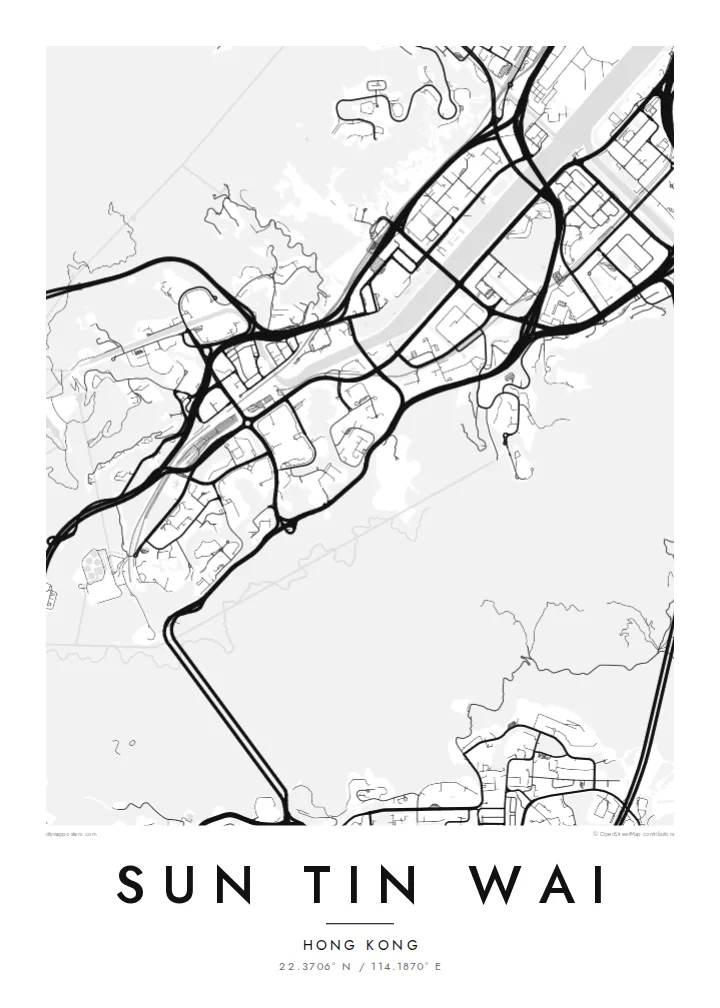
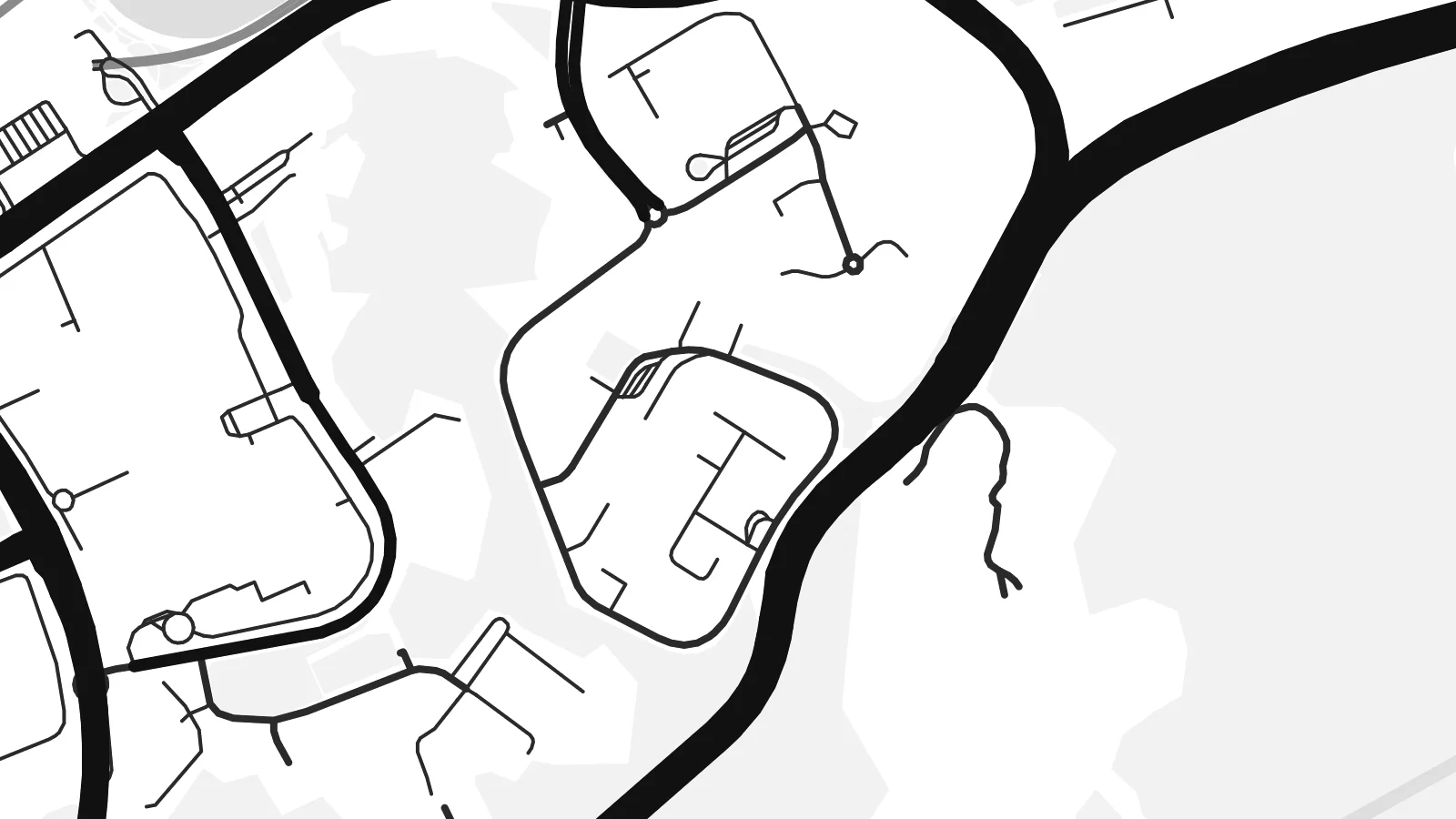
The original village forms a small, tightly packed block of houses. On the poster it reads as a dense, fine-grained patch surrounded by much larger buildings.
Fakatino mape mukamuka · Hong Kong SAR China
22.3706° N / 114.1870° E
A traditional walled village in Sha Tin, a small, tight cluster of houses among the towers of a modern new town
Taha e taone, lima e onoonoaga
Tapaki e taha puhala ke kitia ai ki luga he puipui. Kua tatai e totogi he tau puhala oti — pete he lolomi, poloka, po ke faila HD.
 Tau pikselo mooli · faila lolomi 24 × 36″
Maama mitaki ke lolomi
Ko e 100% e fahi mooli mai he faila lolomi. Ko e tau poster oti — pete kua lolomi, poloka, po ke utu hifo — kua taute ke he ha mautolu a tau tokoluga (server) ke he 300 DPI, hokotia ke he 7,200 × 10,800 piksela, ke maeke ai e tau ala ikiiki tote ke maaliali fakamitaki he lolomi 24 × 36″.
He Pā


Ko e mape
Sun Tin Wai is a walled village in the Sha Tin district of Hong Kong's New Territories, near Tai Wai. Villages like this were built as compact, defensible blocks of houses arranged in close rows, and that form is still visible from above. The small, tight footprint of the village stands out clearly among the much larger estates and roads that have grown up around it.
Walled villages are among the oldest settlement forms in the New Territories, founded by clans long before the new towns arrived. In Sha Tin, many survived the rapid development of the 1970s and 1980s and now sit alongside rail lines, housing estates and river channels. The map shows that layering: an old village grain inside a modern urban plan.
A Sun Tin Wai map poster is a detailed look at a very particular corner of Hong Kong. The closely packed village, the wide roads around it and the green hills in the distance make a composition with both history and scale. It is a meaningful piece for village families, Sha Tin residents and anyone interested in how Hong Kong grew.
The original village forms a small, tightly packed block of houses. On the poster it reads as a dense, fine-grained patch surrounded by much larger buildings.
High-rise estates, roads and rail lines have grown up around the village, placing it inside a modern urban plan with very different proportions.
The steep, green slopes around the valley frame the view. They add large quiet areas to the composition and underline the setting in the New Territories.
Taute ke ha hau
Lafi e aho, taha higoa po ke taha kupu haau, hiki e fakatino, lahi po ke tuaga.
Ko e kitiaaga nakai totogi kua tote e maaliali mo e fakamailoga vai. Ko e tau lolomi mo e tau faila HD kua taute ke he 300 DPI, hokotia ke he 7,200 × 10,800 px, nakai fai fakamailoga vai.
Ko e ha Sun Tin Wai
Sun Tin Wai is a place with deep family roots, and a map of it keeps that history close, even for relatives who now live far away. The contrast of old village and new town makes a thoughtful, detailed poster.
You can personalise the title, subtitle and coordinates line with a clan name, a Chinese title or a date. Choose from Classic black & white, Noir, Paper, Blueprint and Sand. HD files cost $9, and printed posters on matte paper can be framed in wood.
Talaage e poster Sun Tin Wai| Lahi he lolomi | Maama | Tau faila |
|---|---|---|
| 30 × 40 cm11.8 × 15.7″ | 3,543 × 4,724 px | PNG · PDF |
| 29.7 × 42 cm (A3)11.7 × 16.5″ | 3,508 × 4,961 px | PNG · PDF |
| 42 × 59.4 cm (A2)16.5 × 23.4″ | 4,961 × 7,016 px | PNG · PDF |
| 45.7 × 61 cm18 × 24″ | 5,400 × 7,200 px | PNG · PDF |
| 50 × 70 cm19.7 × 27.6″ | 5,906 × 8,268 px | PNG · PDF |
| 61 × 91.4 cm24 × 36″ | 7,200 × 10,800 px | PNG · PDF |
Ke fakatatai, ko e fakatino noa kua 900 px e laulahi, fai fakamailoga mo e mo e tau mata komipiuta ni. Ko e tau faila HD kua ato hoko ke he 8× e maama ke he tau faahi takitaha mo e lolomi mitaki he lahi katoa he fakatino.
Fifili e taha puhala i luga he kupega, ti fifili e Poster Lolomi — e lahi mo e, kaeke ke manako ai koe, taha poloka — po ke Tau Faila HD Fakaeletonika. Ko e fakaotiaga totogi ko e taha gahua ni, ti ko e kupega he hau a talaaga ka fakafou fakahaga i mua he fakaotiaga e totogi.
Kua lolomi ai ke he pepa mitaki 200 gsm matte he taha he tau lahi ono, mai he 30 × 40 cm ke hoko ke he 24 × 36″. Kamata e tau poster lolomi mai he $39, kua putoia ai e utaaga.
E. Fifili e poloka akau malolō ke he lanu uli, tea, akau oki mooli, po ke akau pouli. Kua fakalataha mo e sioga malolō nakai malepe ti kua mautali ke tautau. Kamata e tau poster poloka mai he $99, kua putoia ai e utaaga.
Nakai totogi e fakafano ke he motu 60+. Ko e fakatino taha kua lolomi he fenoga lolomi ha mautolu kua tata mo e tau motu 30+, kua hoko mai he tau aho gahua 3–7. Maeke ia koe ke kikite e tuaga mo e fakamuitua he lalo he Haku Tau Fakatonu. Ke he falu motu kua 2–5 e tau tapu, ti ka nakai fakafano a mautolu ki ai, to fakaha he api tupe ia ki mua he totogi.
Fakafano mai e taha ata ki a mautolu he loto he 14 e tau aho tali mai he hokoaga, ti to lolomi foki e mautolu nakai totogi po ke liu atu e totogi ki a koe.
E. He editor i luga he kupega nei, hikihiki e matakupu, e matakupu lalo mo e laini coordinates ke he taha mena kua manako a koe ki ai, ti fifili e puhala mo e lahi. Ko e tau talaaga lolomi, poloka mo e fakaeletonika oti kua fakaaoga tonu e hau a fakatino.
Ma e $9 ka moua e koe e tau faila PNG 300 DPI mo e PDF kua mautali ke lolomi he tau lahi ono oti, nakai fai fakamailoga vai, ke lolomi i fe mena. Nakai maopoopo agaia? Utu hifo fakamua e kitiaaga nakai totogi ne fai fakamailoga vai.
Tata mai
