Pagasetic Gulf
The sheltered gulf curves along the southern edge of the city. It gives the poster a wide field of open water and a smooth, flowing shoreline.
Fakatino mape mukamuka · Greece
39.3692° N / 22.9477° E
A port city curving along the Pagasetic Gulf, its grid rising towards the forested slopes of Mount Pelion.


Taha e taone, lima e onoonoaga
Tapaki e taha puhala ke kitia ai ki luga he puipui. Kua tatai e totogi he tau puhala oti — pete he lolomi, poloka, po ke faila HD.
 Tau pikselo mooli · faila lolomi 24 × 36″
Maama mitaki ke lolomi
Ko e 100% e fahi mooli mai he faila lolomi. Ko e tau poster oti — pete kua lolomi, poloka, po ke utu hifo — kua taute ke he ha mautolu a tau tokoluga (server) ke he 300 DPI, hokotia ke he 7,200 × 10,800 piksela, ke maeke ai e tau ala ikiiki tote ke maaliali fakamitaki he lolomi 24 × 36″.
He Pā


Ko e mape
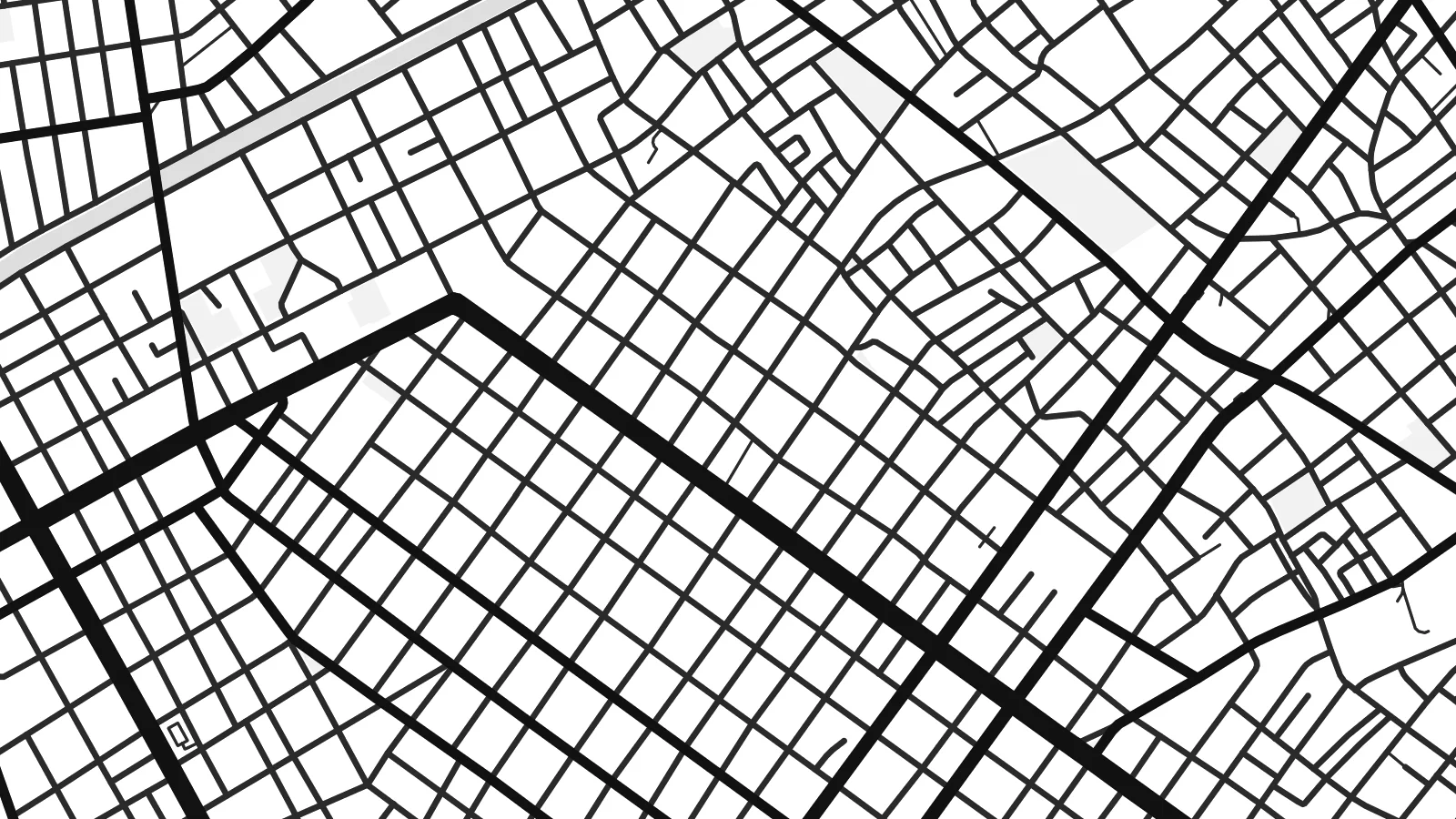
Volos lies on the northern shore of the Pagasetic Gulf in Thessaly, at the foot of Mount Pelion. Two strong forms frame the city on a map: the smooth curve of the gulf to the south and the rising slopes of the mountain to the east, with villages scattered up its sides. Between them, the city spreads across a coastal plain in a largely regular grid.
The modern street plan dates mostly from the nineteenth and twentieth centuries, when Volos grew into one of Greece's main industrial ports. Much of the city was rebuilt after the earthquakes of 1955. Long straight avenues run parallel to the waterfront, where a broad promenade follows the shore, and the harbour with its piers is the centrepiece of the seafront.
According to myth, this was the site of ancient Iolcos, the city from which Jason and the Argonauts set sail. The remains of Demetrias and the Neolithic settlements of Dimini and Sesklo lie close by. A Volos map poster holds the gulf, the grid and the mountain in balance: a clear urban pattern between open water and steep green slopes.
The sheltered gulf curves along the southern edge of the city. It gives the poster a wide field of open water and a smooth, flowing shoreline.
A long seafront road and promenade follow the harbour, with piers reaching into the gulf. The street grid meets the water in one clean line.
To the east, roads follow the contours up towards the mountain villages. This looser, winding pattern contrasts with the straight streets of the city below.
Taute ke ha hau
Lafi e aho, taha higoa po ke taha kupu haau, hiki e fakatino, lahi po ke tuaga.
Ko e kitiaaga nakai totogi kua tote e maaliali mo e fakamailoga vai. Ko e tau lolomi mo e tau faila HD kua taute ke he 300 DPI, hokotia ke he 7,200 × 10,800 px, nakai fai fakamailoga vai.
Ko e ha Volos
Volos is loved by students at its university, families from the surrounding villages and visitors who come for Pelion and the gulf. A map of the city keeps the sea and the mountain together in one frame, which suits a coastal home.
Add a title, a subtitle such as a date or the name of a neighbourhood, and the coordinates line. Then pick from Classic black & white, Noir, Paper, Blueprint or Sand. Sand gives the gulf a warm, Aegean feel.
Talaage e poster Volos| Lahi he lolomi | Maama | Tau faila |
|---|---|---|
| 30 × 40 cm11.8 × 15.7″ | 3,543 × 4,724 px | PNG · PDF |
| 29.7 × 42 cm (A3)11.7 × 16.5″ | 3,508 × 4,961 px | PNG · PDF |
| 42 × 59.4 cm (A2)16.5 × 23.4″ | 4,961 × 7,016 px | PNG · PDF |
| 45.7 × 61 cm18 × 24″ | 5,400 × 7,200 px | PNG · PDF |
| 50 × 70 cm19.7 × 27.6″ | 5,906 × 8,268 px | PNG · PDF |
| 61 × 91.4 cm24 × 36″ | 7,200 × 10,800 px | PNG · PDF |
Ke fakatatai, ko e fakatino noa kua 900 px e laulahi, fai fakamailoga mo e mo e tau mata komipiuta ni. Ko e tau faila HD kua ato hoko ke he 8× e maama ke he tau faahi takitaha mo e lolomi mitaki he lahi katoa he fakatino.
Fifili e taha puhala i luga he kupega, ti fifili e Poster Lolomi — e lahi mo e, kaeke ke manako ai koe, taha poloka — po ke Tau Faila HD Fakaeletonika. Ko e fakaotiaga totogi ko e taha gahua ni, ti ko e kupega he hau a talaaga ka fakafou fakahaga i mua he fakaotiaga e totogi.
Kua lolomi ai ke he pepa mitaki 200 gsm matte he taha he tau lahi ono, mai he 30 × 40 cm ke hoko ke he 24 × 36″. Kamata e tau poster lolomi mai he $39, kua putoia ai e utaaga.
E. Fifili e poloka akau malolō ke he lanu uli, tea, akau oki mooli, po ke akau pouli. Kua fakalataha mo e sioga malolō nakai malepe ti kua mautali ke tautau. Kamata e tau poster poloka mai he $99, kua putoia ai e utaaga.
Nakai totogi e fakafano ke he motu 60+. Ko e fakatino taha kua lolomi he fenoga lolomi ha mautolu kua tata mo e tau motu 30+, kua hoko mai he tau aho gahua 3–7. Maeke ia koe ke kikite e tuaga mo e fakamuitua he lalo he Haku Tau Fakatonu. Ke he falu motu kua 2–5 e tau tapu, ti ka nakai fakafano a mautolu ki ai, to fakaha he api tupe ia ki mua he totogi.
Fakafano mai e taha ata ki a mautolu he loto he 14 e tau aho tali mai he hokoaga, ti to lolomi foki e mautolu nakai totogi po ke liu atu e totogi ki a koe.
E. He editor i luga he kupega nei, hikihiki e matakupu, e matakupu lalo mo e laini coordinates ke he taha mena kua manako a koe ki ai, ti fifili e puhala mo e lahi. Ko e tau talaaga lolomi, poloka mo e fakaeletonika oti kua fakaaoga tonu e hau a fakatino.
Ma e $9 ka moua e koe e tau faila PNG 300 DPI mo e PDF kua mautali ke lolomi he tau lahi ono oti, nakai fai fakamailoga vai, ke lolomi i fe mena. Nakai maopoopo agaia? Utu hifo fakamua e kitiaaga nakai totogi ne fai fakamailoga vai.
Tata mai
