The twin walls
Two long fortification lines run downhill from the citadel toward the sea, framing the historic city between them. From above they read as a corridor cut across the land.
Posta faʻafanua faigofie · Russia
42.0662° N / 48.2876° E
Two ancient walls run from the mountain citadel down to the Caspian shore, enclosing a narrow, dense old town between them


Tasi le aai, lagona e lima
Tapi se sitaili e vaai ai i luga o le puipui. E tutusa uma le tau o sitaili — pe lolomiina, faapipiiina, pe avea ma faila HD.
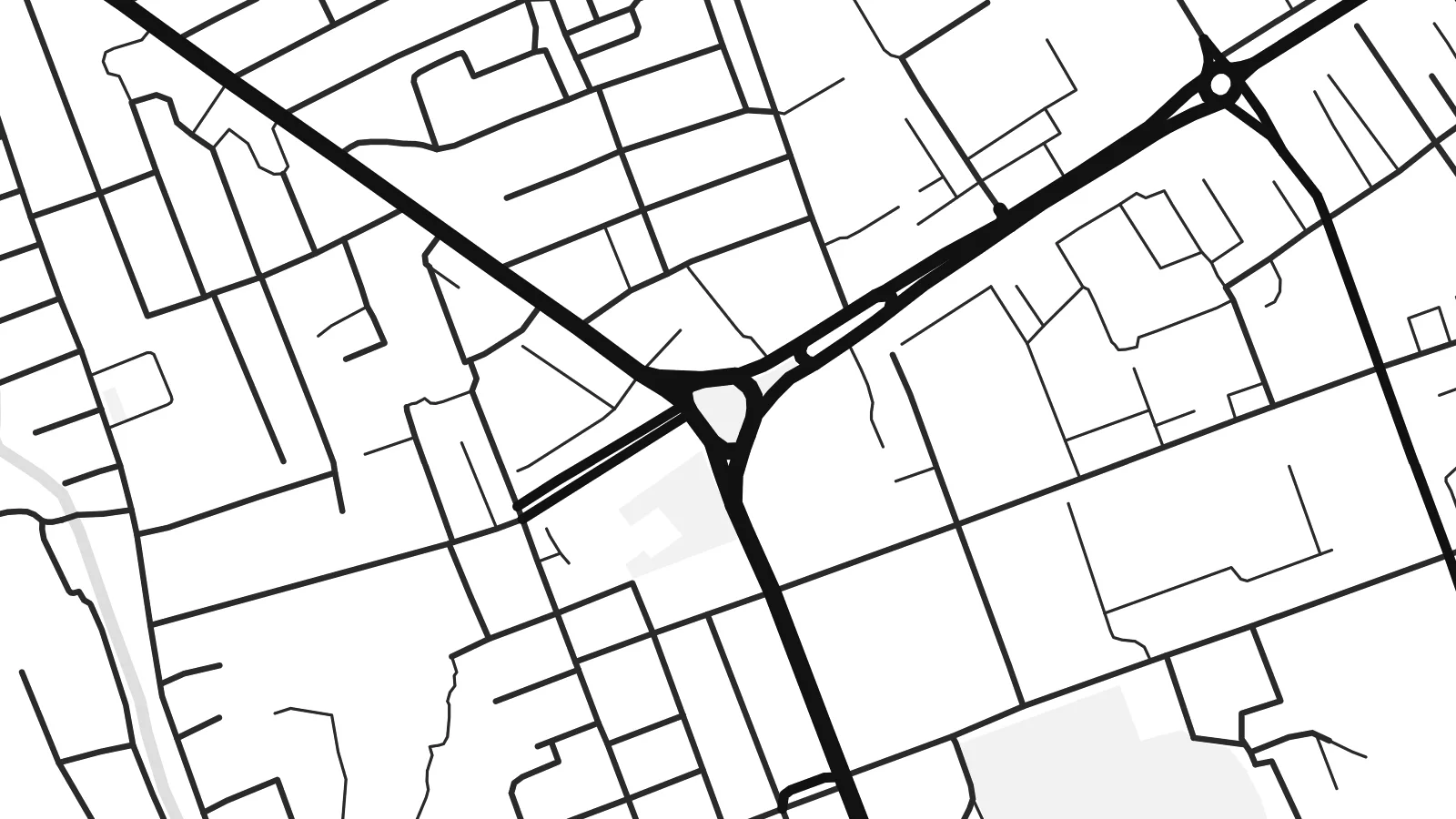 Pika Moni · Faila Lolomi 24 × 36″
Manino mo le lolomi
O se vaega atoa (100%) lenei mai le faila lolomi moni. O posita uma — pe lolomiina, faapipiiina pe download mai — e faia i luga o a matou server i le 300 DPI, e oo atu i le 7,200 × 10,800 pika, ina ia manino pea auala laiti i luga o se lolomiga 24 × 36″.
I luga o le puipui


Le faʻafanua
Derbent sits where the Caucasus foothills come closest to the Caspian Sea, and the map shows it plainly. A thin strip of land runs between slope and shore, and the city stretches along it north to south. The coastline makes a clean eastern edge, while the western streets climb and break up as the ground rises toward the hills.
The oldest part of the city is laid out between two parallel defensive walls. They run from the Naryn-Kala citadel on the hill down toward the sea, and the medieval quarters fill the space between them with tight, irregular lanes. The citadel, the walls and the old town are listed together by UNESCO, and Derbent is often described as one of the oldest cities in Russia.
A Derbent map poster keeps that unusual plan readable. The two long lines of the walls, the tangle of old lanes between them and the more regular modern blocks around them sit clearly apart in black and white. The Caspian takes up the open side of the frame and gives the composition a calm, empty edge.
Two long fortification lines run downhill from the citadel toward the sea, framing the historic city between them. From above they read as a corridor cut across the land.
The fortress sits on the high ground at the western end of the walls, where the streets thin out. It anchors the old town and looks down over the whole plan.
The sea forms a long, straight eastern boundary. With no coastal curves to speak of, it gives the poster a strong vertical edge against the denser streets inland.
Fai mo oe
Faʻaopoopo se aso, se igoa po o sau lava upu, sui le sitaili, lapoʻa po o le itu.
O le preview e leai se totogi e maualalo le resolution ma iai se watermark. O lolomi ma faila HD e faia i le 300 DPI, e oo atu i le 7,200 × 10,800 px, e aunoa ma se watermark.
Aisea Derbent
Derbent appeals to people who care about how old cities were built. The shape of the walled town is legible even at poster scale, and it tells the story of a pass guarded between mountain and sea without needing any labels.
You can set your own title, subtitle and coordinates line, perhaps a family name or a year of a visit, and choose from Classic black & white, Noir, Paper, Blueprint or Sand to suit the room it will hang in.
Faatau le posita Derbent| Lapoʻa lolomi | Manino | Faila |
|---|---|---|
| 30 × 40 cm (11.8 × 15.7″) | 3,543 × 4,724 px | PNG · PDF |
| 29.7 × 42 cm (A3, 11.7 × 16.5″) | 3,508 × 4,961 px | PNG · PDF |
| 42 × 59.4 cm (A2, 16.5 × 23.4″) | 4,961 × 7,016 px | PNG · PDF |
| 45.7 × 61 cm (18 × 24″) | 5,400 × 7,200 px | PNG · PDF |
| 50 × 70 cm (19.7 × 27.6″) | 5,906 × 8,268 px | PNG · PDF |
| 61 × 91.4 cm (24 × 36″) | 7,200 × 10,800 px | PNG · PDF |
Ae faʻatusatusa, o le faʻataʻitaʻiga e leai se totogi e 900 px le lautele, e iai le faʻailoga vai ma e mo mata. O faila HD e oʻo atu i le 8× le manino i itu taʻitasi ma e lolomi manino i le lapoʻa atoa o le posta.
Filifili se sitaili i le pito i luga o le itulau, ona filifili lea o le Posita Lolomi — se lapopoa ma, afai e te fiafia, se faavaa — po o Faila HD Numera. E na o le tasi laasaga o le Checkout, ma o le a fesuia'i lou itulau o oka i le taimi lava e mae'a ai le totogi.
E lolomiina i luga o pepa matte maualuga le tulaga e 200 gsm, i se tasi o lapopoa e ono, mai le 30 × 40 cm i le 24 × 36″. E amata le tau o posita lolomi mai le $39, aofia ai le auina atu.
Ioe. Filifili se faavaa laau malosi i le lanu uliuli, sina, oak masani, po o le laau pogisa. E aofia ai se tioata e le gau ma ua saunia e tautau i luga. E amata le tau o posita faavaa mai le $99, aofia ai le auina atu.
E leai se totogi mo le uta i le lalolagi atoa. O poster ta'itasi e lolomi e le paaga lolomi e latalata mai i matou i atunuu e 30+, ma e masani ona taunuu i aso faigaluega e 3–7. E mafai ona e mulimuli i le tulaga ma le tracking i le "Aʻu Oka". O nisi atunuu e 2–5 vaiaso, ma i atunuu matou te lei tuuina atu ai, e taʻu atu e le saite iā te oe ae e te leʻi totogiina.
Auina mai se ata i totonu o le 14 aso talu ona taunuu, ma o le a matou toe lolomiina e leai se totogi po o le toe faafoi atu lau tupe.
Ioe. I totonu o le editor i lenei itulau, suia le ulutala, le ulutala laititi ma le laina o coordinates i soo se mea e te fiafia i ai, ma filifili se sitaili ma le lapopoa. O oka lolomi, faavaa ma numera e faaaoga uma lava lau mamanu.
Mo le $9 e te maua ai faila PNG 300 DPI ma PDF ua saunia mo le lolomi i lapopoa uma e ono, e aunoa ma se watermark, e mafai ona lolomi i soo se mea. Le mautinoa lava? Download muamua se preview e leai se totogi ma le watermark.
