The Kremlin
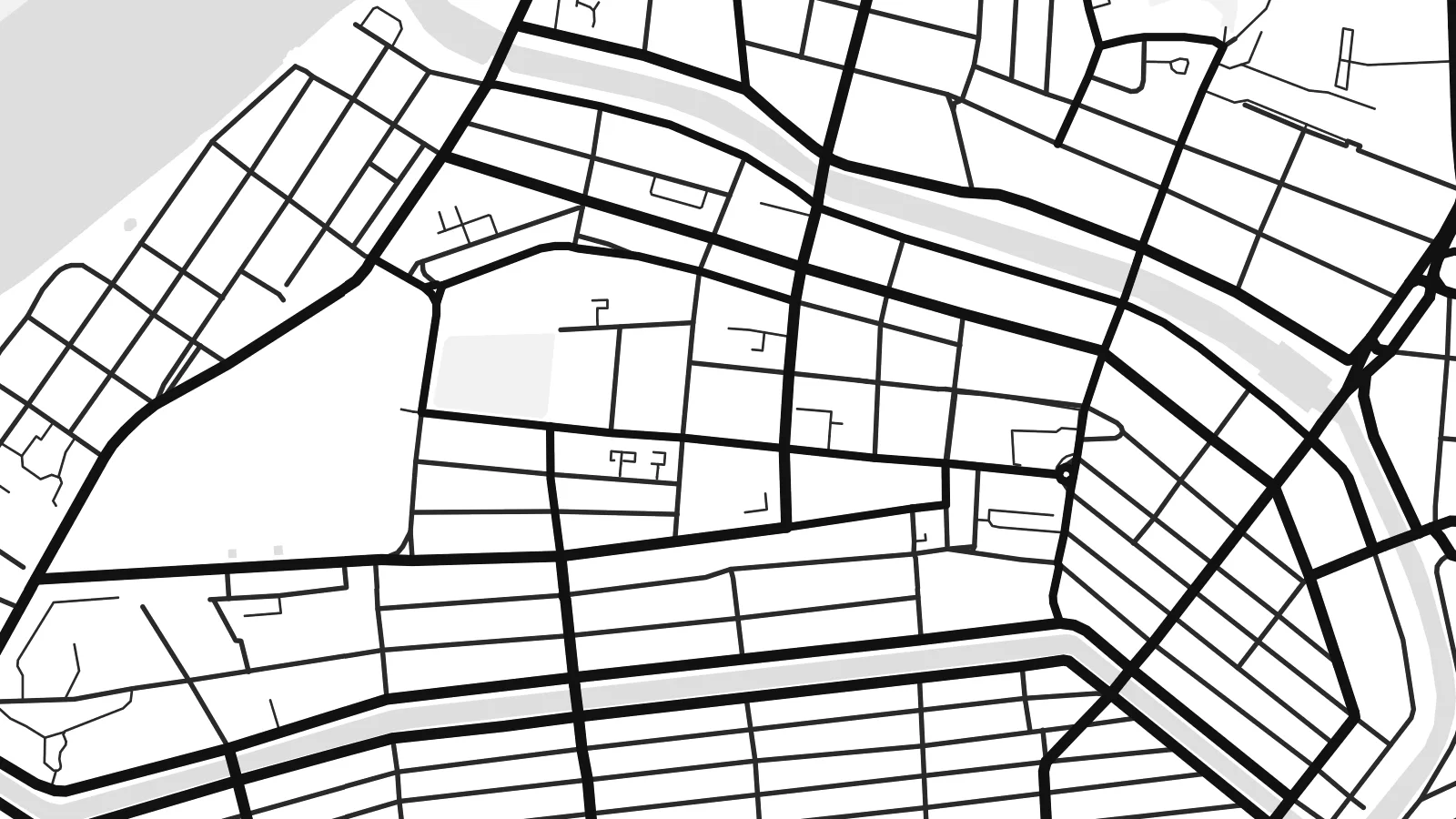
The white-stone fortress on its small hill forms a compact, many-sided shape at the heart of the city, clearly outlined by the streets that wrap around it.
Fakatino mape mukamuka · Russia
46.3497° N / 48.0408° E
A city spread across islands and channels of the Volga, with a white-walled kremlin rising at its centre.


Taha e taone, lima e onoonoaga
Tapaki e taha puhala ke kitia ai ki luga he puipui. Kua tatai e totogi he tau puhala oti — pete he lolomi, poloka, po ke faila HD.
 Tau pikselo mooli · faila lolomi 24 × 36″
Maama mitaki ke lolomi
Ko e 100% e fahi mooli mai he faila lolomi. Ko e tau poster oti — pete kua lolomi, poloka, po ke utu hifo — kua taute ke he ha mautolu a tau tokoluga (server) ke he 300 DPI, hokotia ke he 7,200 × 10,800 piksela, ke maeke ai e tau ala ikiiki tote ke maaliali fakamitaki he lolomi 24 × 36″.
He Pā


Ko e mape
Astrakhan stands at the head of the Volga delta, roughly a hundred kilometres before the river reaches the Caspian Sea. Seen from above, it is less a single riverside city than a set of islands divided by channels, creeks and branches of the Volga. Bridges stitch the districts together, and the water breaks the street pattern into separate pieces, each with its own orientation.
At the centre sits the Astrakhan Kremlin, a sixteenth-century fortress built on a low hill after the Russian conquest of the Astrakhan Khanate. Its irregular walled outline is easy to find on the map, with the Assumption Cathedral inside. Around it, the historic centre follows a mostly regular grid, crossed by a narrow canal lined with embankments.
For centuries the city has been a trading post between Russia, Persia and Central Asia, and it remains closely tied to the fisheries and sturgeon of the delta. An Astrakhan map poster shows a place defined by water: the broad main channel, the many smaller arms threading between neighbourhoods, and the kremlin holding the middle.
The white-stone fortress on its small hill forms a compact, many-sided shape at the heart of the city, clearly outlined by the streets that wrap around it.
The main river and its branches split Astrakhan into several island districts, drawing wide pale bands across the map and giving it a fragmented, delta-like character.
A narrow canal runs through the old centre with embankments on both sides, adding a fine continuous line through the regular blocks of the historic streets.
Taute ke ha hau
Lafi e aho, taha higoa po ke taha kupu haau, hiki e fakatino, lahi po ke tuaga.
Ko e kitiaaga nakai totogi kua tote e maaliali mo e fakamailoga vai. Ko e tau lolomi mo e tau faila HD kua taute ke he 300 DPI, hokotia ke he 7,200 × 10,800 px, nakai fai fakamailoga vai.
Ko e ha Astrakhan
People from Astrakhan often describe their city through its rivers and bridges, and this map shows exactly that. It works as a reminder of home, of summers on the delta, or of a family with roots in the lower Volga.
The title, subtitle and coordinates can all be edited, so the poster can mark a birthplace, a wedding or a move. Choose Paper or Sand for a warmer look, or Classic black & white, Noir and Blueprint for sharper contrast.
Talaage e poster Astrakhan| Lahi he lolomi | Maama | Tau faila |
|---|---|---|
| 30 × 40 cm11.8 × 15.7″ | 3,543 × 4,724 px | PNG · PDF |
| 29.7 × 42 cm (A3)11.7 × 16.5″ | 3,508 × 4,961 px | PNG · PDF |
| 42 × 59.4 cm (A2)16.5 × 23.4″ | 4,961 × 7,016 px | PNG · PDF |
| 45.7 × 61 cm18 × 24″ | 5,400 × 7,200 px | PNG · PDF |
| 50 × 70 cm19.7 × 27.6″ | 5,906 × 8,268 px | PNG · PDF |
| 61 × 91.4 cm24 × 36″ | 7,200 × 10,800 px | PNG · PDF |
Ke fakatatai, ko e fakatino noa kua 900 px e laulahi, fai fakamailoga mo e mo e tau mata komipiuta ni. Ko e tau faila HD kua ato hoko ke he 8× e maama ke he tau faahi takitaha mo e lolomi mitaki he lahi katoa he fakatino.
Fifili e taha puhala i luga he kupega, ti fifili e Poster Lolomi — e lahi mo e, kaeke ke manako ai koe, taha poloka — po ke Tau Faila HD Fakaeletonika. Ko e fakaotiaga totogi ko e taha gahua ni, ti ko e kupega he hau a talaaga ka fakafou fakahaga i mua he fakaotiaga e totogi.
Kua lolomi ai ke he pepa mitaki 200 gsm matte he taha he tau lahi ono, mai he 30 × 40 cm ke hoko ke he 24 × 36″. Kamata e tau poster lolomi mai he $39, kua putoia ai e utaaga.
E. Fifili e poloka akau malolō ke he lanu uli, tea, akau oki mooli, po ke akau pouli. Kua fakalataha mo e sioga malolō nakai malepe ti kua mautali ke tautau. Kamata e tau poster poloka mai he $99, kua putoia ai e utaaga.
Nakai totogi e fakafano ke he motu 60+. Ko e fakatino taha kua lolomi he fenoga lolomi ha mautolu kua tata mo e tau motu 30+, kua hoko mai he tau aho gahua 3–7. Maeke ia koe ke kikite e tuaga mo e fakamuitua he lalo he Haku Tau Fakatonu. Ke he falu motu kua 2–5 e tau tapu, ti ka nakai fakafano a mautolu ki ai, to fakaha he api tupe ia ki mua he totogi.
Fakafano mai e taha ata ki a mautolu he loto he 14 e tau aho tali mai he hokoaga, ti to lolomi foki e mautolu nakai totogi po ke liu atu e totogi ki a koe.
E. He editor i luga he kupega nei, hikihiki e matakupu, e matakupu lalo mo e laini coordinates ke he taha mena kua manako a koe ki ai, ti fifili e puhala mo e lahi. Ko e tau talaaga lolomi, poloka mo e fakaeletonika oti kua fakaaoga tonu e hau a fakatino.
Ma e $9 ka moua e koe e tau faila PNG 300 DPI mo e PDF kua mautali ke lolomi he tau lahi ono oti, nakai fai fakamailoga vai, ke lolomi i fe mena. Nakai maopoopo agaia? Utu hifo fakamua e kitiaaga nakai totogi ne fai fakamailoga vai.
Tata mai
