Santa Maria
The southern town sits beside a wide sandy bay, its streets extending along the coast. It is the busiest cluster of lines on the island and a natural focal point.
Posta faʻafanua faigofie · Cape Verde
16.7372° N / 22.9361° W
A flat desert island stretched north to south, with salt pans in an old crater and beaches at its southern tip.


Tasi le aai, lagona e lima
Tapi se sitaili e vaai ai i luga o le puipui. E tutusa uma le tau o sitaili — pe lolomiina, faapipiiina, pe avea ma faila HD.
 Pika Moni · Faila Lolomi 24 × 36″
Manino mo le lolomi
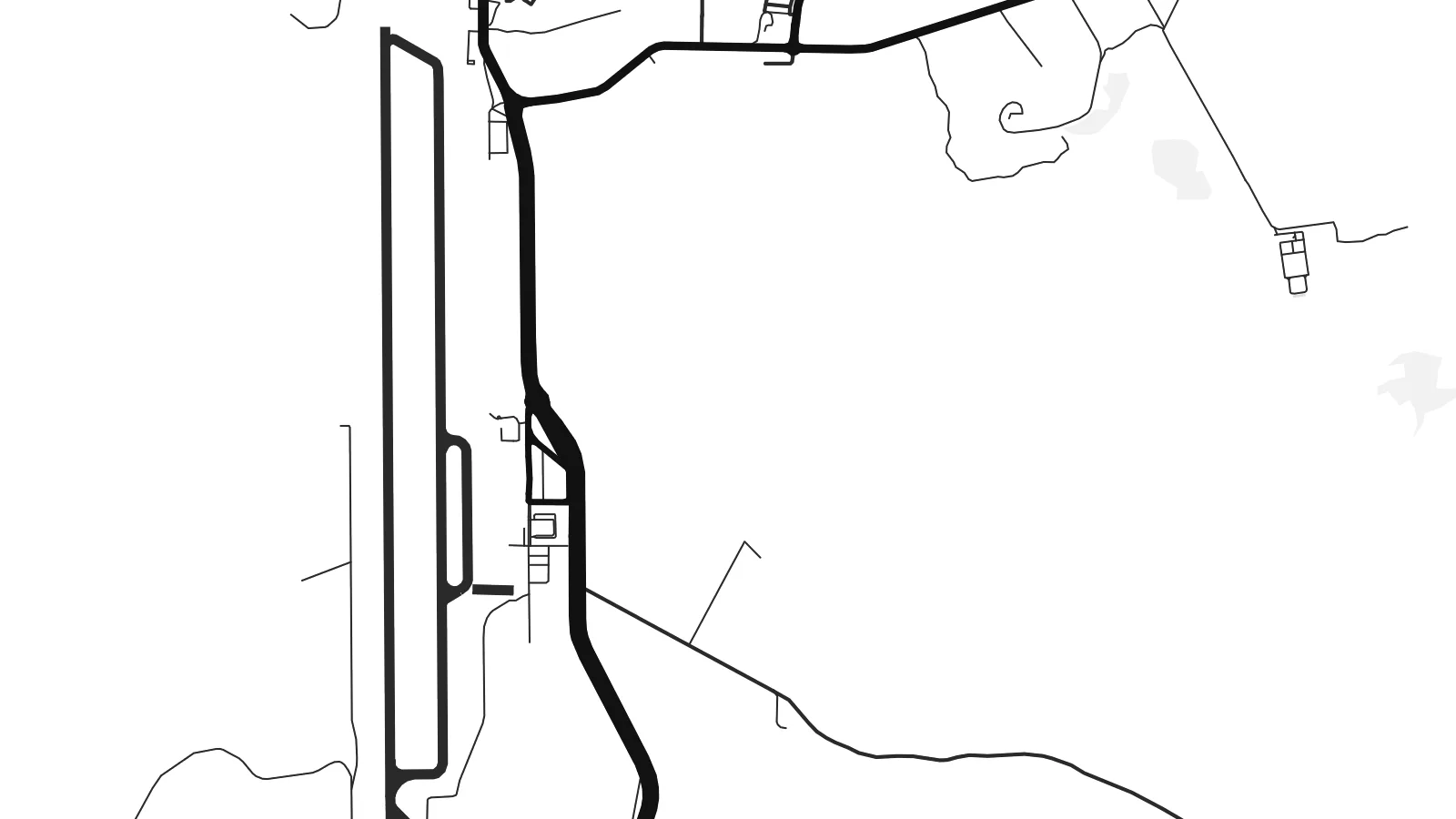
O se vaega atoa (100%) lenei mai le faila lolomi moni. O posita uma — pe lolomiina, faapipiiina pe download mai — e faia i luga o a matou server i le 300 DPI, e oo atu i le 7,200 × 10,800 pika, ina ia manino pea auala laiti i luga o se lolomiga 24 × 36″.
I luga o le puipui


Le faʻafanua
Sal lies in the northeast of Cabo Verde and is one of the flattest islands in the archipelago. From above it is an elongated shape running north to south, with dry, open terrain and few features apart from a scatter of low volcanic hills. Roads are simple and direct, linking the main town of Espargos to the coast in almost straight lines.
The island's name means salt, and its story begins with the salt pans of Pedra de Lume on the east coast, set inside an old volcanic crater where seawater seeps in and evaporates. The salt works once shipped their product abroad, and today visitors float in the brine pools. On the map the crater appears as a rounded basin near the shore.
In the south, the town of Santa Maria and its long sandy beach form the island's resort area, while the international airport near Espargos makes Sal the main point of arrival for many visitors to Cabo Verde. A Sal map poster gathers the runway, the straight roads, the crater and the southern beach into a spare, open composition.
The southern town sits beside a wide sandy bay, its streets extending along the coast. It is the busiest cluster of lines on the island and a natural focal point.
On the east coast, salt pans lie inside an old volcanic crater. On the poster they appear as a compact rounded basin close to the shore, a feature found nowhere else on the island.
The runway of the international airport lies beside Espargos, a long straight line that dominates the flat interior and echoes the island's elongated north to south shape.
Fai mo oe
Faʻaopoopo se aso, se igoa po o sau lava upu, sui le sitaili, lapoʻa po o le itu.
O le preview e leai se totogi e maualalo le resolution ma iai se watermark. O lolomi ma faila HD e faia i le 300 DPI, e oo atu i le 7,200 × 10,800 px, e aunoa ma se watermark.
Aisea Sal
Sal is where many people first arrive in Cabo Verde, and where many spend a holiday by the sea. Its simple shape and spare map make a clean, calm poster that suits bright, light-filled rooms.
Rename the title, add a travel date or the name of a place you stayed to the subtitle, and edit the coordinates line. Choose Classic black & white, Noir, Paper, Blueprint or Sand. HD files cost $9 in six sizes; printed posters come with an optional frame.
Faatau le posita Sal| Lapoʻa lolomi | Manino | Faila |
|---|---|---|
| 30 × 40 cm (11.8 × 15.7″) | 3,543 × 4,724 px | PNG · PDF |
| 29.7 × 42 cm (A3, 11.7 × 16.5″) | 3,508 × 4,961 px | PNG · PDF |
| 42 × 59.4 cm (A2, 16.5 × 23.4″) | 4,961 × 7,016 px | PNG · PDF |
| 45.7 × 61 cm (18 × 24″) | 5,400 × 7,200 px | PNG · PDF |
| 50 × 70 cm (19.7 × 27.6″) | 5,906 × 8,268 px | PNG · PDF |
| 61 × 91.4 cm (24 × 36″) | 7,200 × 10,800 px | PNG · PDF |
Ae faʻatusatusa, o le faʻataʻitaʻiga e leai se totogi e 900 px le lautele, e iai le faʻailoga vai ma e mo mata. O faila HD e oʻo atu i le 8× le manino i itu taʻitasi ma e lolomi manino i le lapoʻa atoa o le posta.
Filifili se sitaili i le pito i luga o le itulau, ona filifili lea o le Posita Lolomi — se lapopoa ma, afai e te fiafia, se faavaa — po o Faila HD Numera. E na o le tasi laasaga o le Checkout, ma o le a fesuia'i lou itulau o oka i le taimi lava e mae'a ai le totogi.
E lolomiina i luga o pepa matte maualuga le tulaga e 200 gsm, i se tasi o lapopoa e ono, mai le 30 × 40 cm i le 24 × 36″. E amata le tau o posita lolomi mai le {printFrom}, aofia ai le auina atu.
Ioe. Filifili se faavaa laau malosi i le lanu uliuli, sina, oak masani, po o le laau pogisa. E aofia ai se tioata e le gau ma ua saunia e tautau i luga. E amata le tau o posita faavaa mai le {framedFrom}, aofia ai le auina atu.
E leai se totogi mo le uta i le lalolagi atoa. O poster ta'itasi e lolomi e le paaga lolomi e latalata mai i matou i atunuu e 30+, ma e masani ona taunuu i aso faigaluega e 3–7. E mafai ona e mulimuli i le tulaga ma le tracking i le "Aʻu Oka". O nisi atunuu e 2–5 vaiaso, ma i atunuu matou te lei tuuina atu ai, e taʻu atu e le saite iā te oe ae e te leʻi totogiina.
Auina mai se ata i totonu o le 14 aso talu ona taunuu, ma o le a matou toe lolomiina e leai se totogi po o le toe faafoi atu lau tupe.
Ioe. I totonu o le editor i lenei itulau, suia le ulutala, le ulutala laititi ma le laina o coordinates i soo se mea e te fiafia i ai, ma filifili se sitaili ma le lapopoa. O oka lolomi, faavaa ma numera e faaaoga uma lava lau mamanu.
Mo le $9 e te maua ai faila PNG 300 DPI ma PDF ua saunia mo le lolomi i lapopoa uma e ono, e aunoa ma se watermark, e mafai ona lolomi i soo se mea. Le mautinoa lava? Download muamua se preview e leai se totogi ma le watermark.
