Bender Fortress
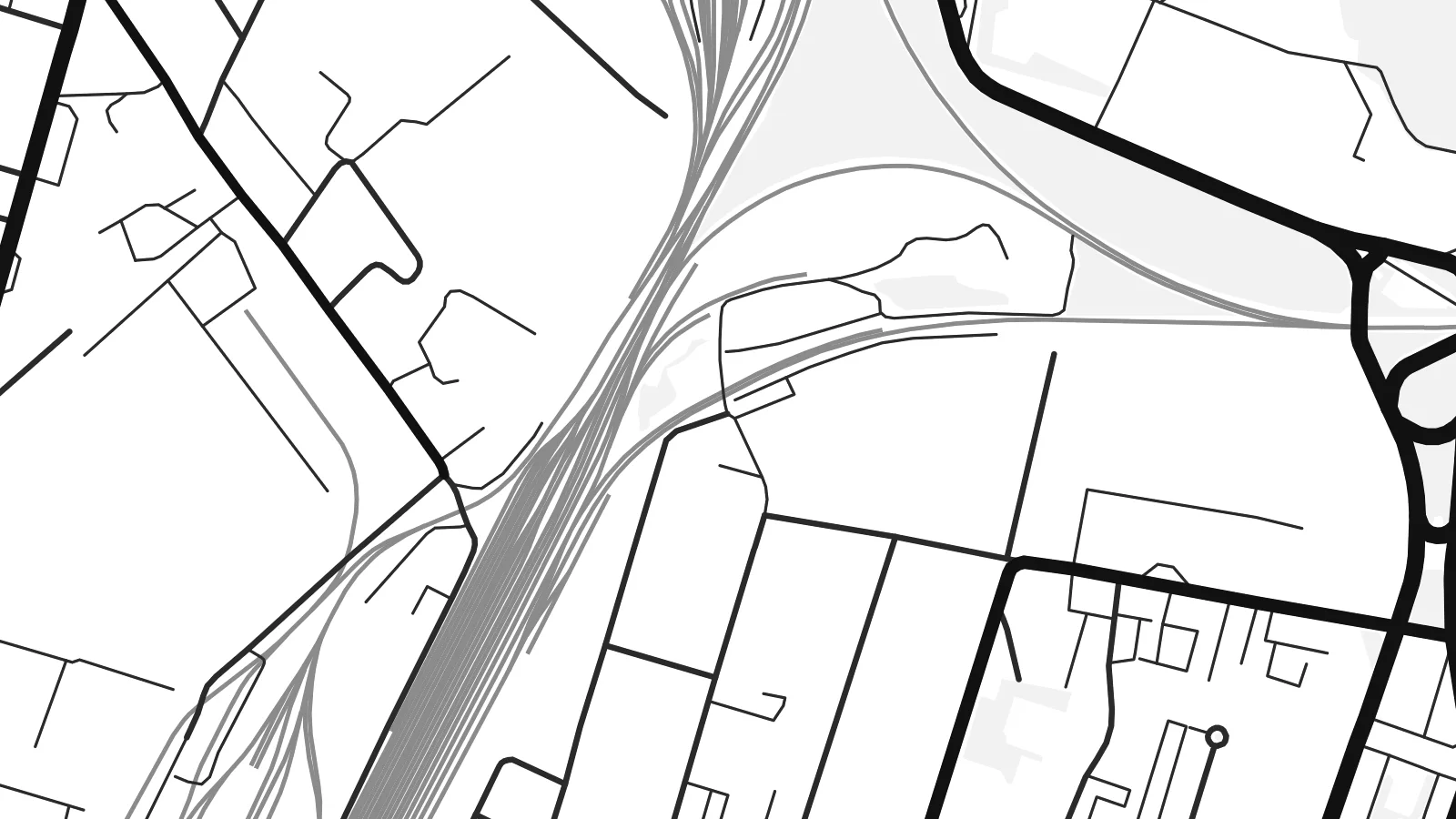
The Ottoman-era stronghold sits on the riverbank at the northern edge of the centre. Its grounds form a distinctive enclosed shape where the street grid stops.
Fakatino mape mukamuka · Moldova
46.8316° N / 29.4767° E
A fortress town on the right bank of the Dniester, its grid of low streets facing the bridges east to Tiraspol.


Taha e taone, lima e onoonoaga
Tapaki e taha puhala ke kitia ai ki luga he puipui. Kua tatai e totogi he tau puhala oti — pete he lolomi, poloka, po ke faila HD.
 Tau pikselo mooli · faila lolomi 24 × 36″
Maama mitaki ke lolomi
Ko e 100% e fahi mooli mai he faila lolomi. Ko e tau poster oti — pete kua lolomi, poloka, po ke utu hifo — kua taute ke he ha mautolu a tau tokoluga (server) ke he 300 DPI, hokotia ke he 7,200 × 10,800 piksela, ke maeke ai e tau ala ikiiki tote ke maaliali fakamitaki he lolomi 24 × 36″.
He Pā


Ko e mape
Bender, also known as Tighina, sits on the right bank of the Dniester River in eastern Moldova. On a map the river is its defining edge. It curves along the east side of the city, with the fortress on its bank north of the centre and road and rail bridges crossing toward Tiraspol. Behind the waterfront, the streets form a fairly regular grid of low-rise blocks.
The Bender Fortress was rebuilt by the Ottomans in the sixteenth century and is one of the best-preserved in the region. After his defeat at Poltava in 1709, King Charles XII of Sweden took refuge nearby for several years. Since the early 1990s the city has been administered by the unrecognised Transnistrian authorities, even though it lies on the western bank.
A Bender map poster presents that layered history through clean lines alone: the fortress grounds beside the river, the grid of the old town, the curve of the Dniester and the bridges linking the city with the opposite bank. It suits anyone with family ties to the city or an interest in its complicated past.
The Ottoman-era stronghold sits on the riverbank at the northern edge of the centre. Its grounds form a distinctive enclosed shape where the street grid stops.
Road and rail bridges span the Dniester east of the city. These strong straight lines across the water connect Bender with Tiraspol on the far bank.
Behind the river, the central streets follow a regular grid of long parallel avenues and cross streets. They give the core of the poster a calm, orderly rhythm.
Taute ke ha hau
Lafi e aho, taha higoa po ke taha kupu haau, hiki e fakatino, lahi po ke tuaga.
Ko e kitiaaga nakai totogi kua tote e maaliali mo e fakamailoga vai. Ko e tau lolomi mo e tau faila HD kua taute ke he 300 DPI, hokotia ke he 7,200 × 10,800 px, nakai fai fakamailoga vai.
Ko e ha Bender
Many people born in Bender now live in Chișinău, Moscow, Germany or Israel, and a map of the city can be a quiet link to a place that has changed a great deal. The river, the fortress and the familiar streets are clear even without names.
Title it Bender, Tighina or anything else that feels right, add a subtitle, a date and the coordinates, and choose Classic black & white, Noir, Paper, Blueprint or Sand. The HD files cost $9, and a free watermarked preview is available first.
Talaage e poster Bender| Lahi he lolomi | Maama | Tau faila |
|---|---|---|
| 30 × 40 cm11.8 × 15.7″ | 3,543 × 4,724 px | PNG · PDF |
| 29.7 × 42 cm (A3)11.7 × 16.5″ | 3,508 × 4,961 px | PNG · PDF |
| 42 × 59.4 cm (A2)16.5 × 23.4″ | 4,961 × 7,016 px | PNG · PDF |
| 45.7 × 61 cm18 × 24″ | 5,400 × 7,200 px | PNG · PDF |
| 50 × 70 cm19.7 × 27.6″ | 5,906 × 8,268 px | PNG · PDF |
| 61 × 91.4 cm24 × 36″ | 7,200 × 10,800 px | PNG · PDF |
Ke fakatatai, ko e fakatino noa kua 900 px e laulahi, fai fakamailoga mo e mo e tau mata komipiuta ni. Ko e tau faila HD kua ato hoko ke he 8× e maama ke he tau faahi takitaha mo e lolomi mitaki he lahi katoa he fakatino.
Fifili e taha puhala i luga he kupega, ti fifili e Poster Lolomi — e lahi mo e, kaeke ke manako ai koe, taha poloka — po ke Tau Faila HD Fakaeletonika. Ko e fakaotiaga totogi ko e taha gahua ni, ti ko e kupega he hau a talaaga ka fakafou fakahaga i mua he fakaotiaga e totogi.
Kua lolomi ai ke he pepa mitaki 200 gsm matte he taha he tau lahi ono, mai he 30 × 40 cm ke hoko ke he 24 × 36″. Kamata e tau poster lolomi mai he $39, kua putoia ai e utaaga.
E. Fifili e poloka akau malolō ke he lanu uli, tea, akau oki mooli, po ke akau pouli. Kua fakalataha mo e sioga malolō nakai malepe ti kua mautali ke tautau. Kamata e tau poster poloka mai he $99, kua putoia ai e utaaga.
Nakai totogi e fakafano ke he motu 60+. Ko e fakatino taha kua lolomi he fenoga lolomi ha mautolu kua tata mo e tau motu 30+, kua hoko mai he tau aho gahua 3–7. Maeke ia koe ke kikite e tuaga mo e fakamuitua he lalo he Haku Tau Fakatonu. Ke he falu motu kua 2–5 e tau tapu, ti ka nakai fakafano a mautolu ki ai, to fakaha he api tupe ia ki mua he totogi.
Fakafano mai e taha ata ki a mautolu he loto he 14 e tau aho tali mai he hokoaga, ti to lolomi foki e mautolu nakai totogi po ke liu atu e totogi ki a koe.
E. He editor i luga he kupega nei, hikihiki e matakupu, e matakupu lalo mo e laini coordinates ke he taha mena kua manako a koe ki ai, ti fifili e puhala mo e lahi. Ko e tau talaaga lolomi, poloka mo e fakaeletonika oti kua fakaaoga tonu e hau a fakatino.
Ma e $9 ka moua e koe e tau faila PNG 300 DPI mo e PDF kua mautali ke lolomi he tau lahi ono oti, nakai fai fakamailoga vai, ke lolomi i fe mena. Nakai maopoopo agaia? Utu hifo fakamua e kitiaaga nakai totogi ne fai fakamailoga vai.
Tata mai
